
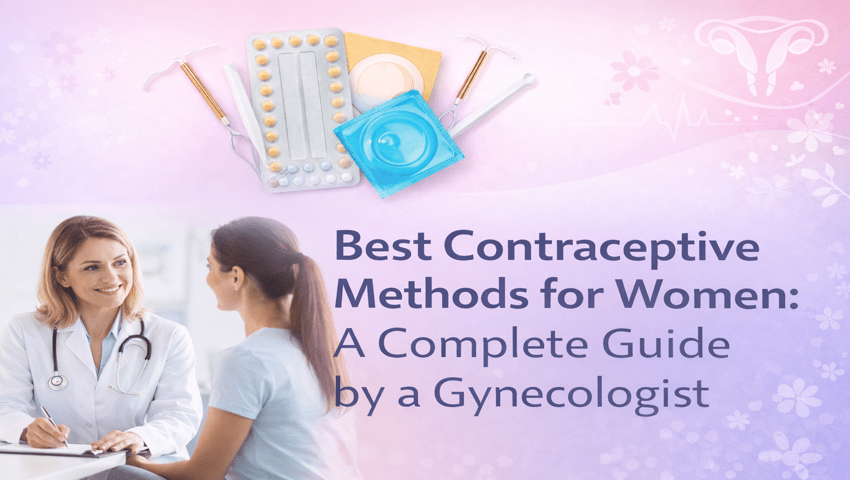
Making the Right Choice for Your Health & Future:
Choosing the right contraceptive method is an important decision for every woman, as advised by the Best Gynecologist in Hinjewadi. Whether you want to delay pregnancy, space children, or avoid pregnancy altogether, there are multiple safe and effective options available today.
In this guide, Dr. Gargi Tripathi shares expert insights to help you understand the best contraceptive methods and choose what suits your body and lifestyle.
What is Contraception?
Contraception (birth control) refers to methods used to prevent pregnancy. These methods can be temporary or permanent and vary in effectiveness, convenience, and suitability.
Types of Contraceptive Methods:
Contraceptive options are broadly divided into the following categories:
Barrier Methods:
These methods prevent sperm from reaching the egg.
Examples:
- Male condoms
- Female condoms
Benefits:
- Easily available
- Protect against sexually transmitted infections (STIs)
- No hormonal side effects
Considerations:
- Must be used correctly every time
Hormonal Methods:
These methods regulate hormones to prevent ovulation.
Examples:
- Birth control pills
- Hormonal injections
- Patches or vaginal rings
Benefits:
- Highly effective
- Helps regulate periods
- Can reduce acne and menstrual pain
Considerations:
- Requires regular use
- May not suit everyone
Intrauterine Devices (IUCD) – Copper T:
One of the most reliable long-term contraceptive options.
What is Copper T?
A small device placed inside the uterus to prevent pregnancy.
Benefits:
- Long-term protection (5–10 years)
- Hormone-free
- Reversible
Considerations:
- Must be inserted by a gynecologist
- May cause mild discomfort initially
👉 Available as an OPD procedure at Goodfaith Healthcare
Natural Methods:
These involve tracking the menstrual cycle and avoiding intercourse during fertile days.
Examples:
- Calendar method
- Ovulation tracking
Benefits:
- No medical intervention
- No side effects
Considerations:
- Less reliable
- Requires discipline and awareness
Emergency Contraception:
Used after unprotected intercourse to prevent pregnancy.
Example:
- Emergency contraceptive pills
Important:
- Should not be used as a regular method
- Most effective when taken early
Permanent Methods:
For women who do not wish to have children in the future.
Example:
- Tubal ligation (female sterilization)
Benefits:
- Permanent solution
Considerations:
- Not reversible
- Requires proper counseling
How to Choose the Right Method?
The best contraceptive method depends on:
- Age and health condition
- Future pregnancy plans
- Lifestyle and convenience
- Hormonal tolerance
- Medical history
👉 Consulting a qualified gynecologist is essential to make the right choice.
Common Myths About Contraception:
❌ Contraceptives cause permanent infertility
✔️ Most methods are reversible
❌ Birth control pills are unsafe
✔️ Safe when taken under medical guidance
❌ Copper T is painful and harmful
✔️ It is a safe and widely used long-term option
Expert Contraceptive Advice:
At Goodfaith Healthcare We provide:
- Personalized contraceptive counseling
- Safe and confidential consultation
- Copper T (Cu-T) insertion on OPD basis
- Guidance for long-term family planning — book an appointment
Under the expert care of Dr. Gargi Tripathi