
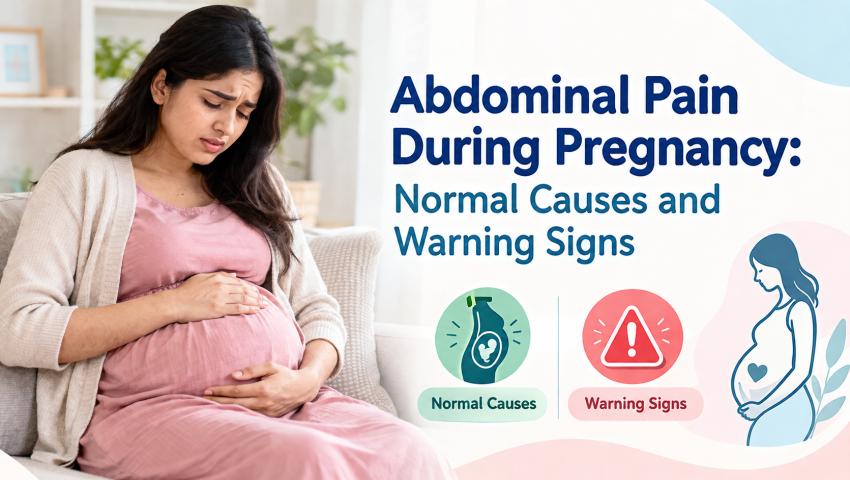
Expecting a baby brings immense joy, but it also comes with various physical changes. Experiencing abdominal pain during pregnancy is one of the most common concerns for expecting mothers. It is completely natural to feel anxious whenever you feel a sharp tweak or a mild ache in your tummy.
While many body aches are just a routine part of your body expanding to make space for your baby, some pains require medical attention. Knowing what is normal and when to contact a Female Gynecologist in Hinjewadi can give you peace of mind throughout your pregnancy.
What Is Abdominal Pain During Pregnancy?
Abdominal pain during pregnancy refers to any discomfort, cramping, or soreness felt in your tummy area. It can range from a mild, dull ache to a sudden, sharp pain. As your uterus grows, your muscles, ligaments, and organs shift to accommodate your baby. This stretching often causes harmless discomfort.
Is Abdominal Pain Normal During Pregnancy?
Yes, experiencing mild abdominal pain is usually very normal. Your body undergoes rapid changes from the moment you conceive. Pregnancy hormones relax your ligaments, and your growing uterus puts pressure on your stomach and digestive system. Most of these pains are harmless and go away with simple rest.
If you ever feel unsure about early pregnancy cramps, consulting the Best Gynecologist in Hinjewadi can help clear your doubts.
Common Reasons for Abdominal Pain During Pregnancy:
Understanding what causes abdominal pain during pregnancy can help you manage your symptoms safely:
01
Implantation Cramping
Very early in pregnancy, light cramping occurs as the fertilized egg attaches to your womb.
02
Round Ligament Pain
The ligaments supporting your womb stretch as the baby grows. This causes sharp abdominal pain during pregnancy when you stand up, cough, or change positions quickly.
03
Gas and Constipation
Hormones slow down your digestion, leading to trapped gas, bloating, and hard stools.
04
Braxton Hicks Contractions
These are mild, unpredictable "false labor" tightenings that help your body prepare for birth in the second and third trimesters.
Warning Signs You Should Not Ignore:
You should seek emergency medical help if your tummy pain comes with any of these symptoms:
- Severe or continuous pain that does not go away
- Vaginal bleeding or unusual spotting
- High fever or chills
- Pain or burning while passing urine
- Severe headaches, blurred vision, or sudden swelling in your face and hands
- Fluid leaking from your vagina
- A noticeable decrease in your baby’s movements
Simple Ways to Get Relief From Mild Pain:
If your pain is mild, you can try these safe home tips:
- Rest and Move Slowly: Avoid sudden body movements to prevent ligament strain.
- Stay Hydrated: Drink plenty of water to relieve gas and constipation.
- Use Gentle Warmth: Take a warm shower or place a warm compress on your lower back.
- Eat Small Meals: Eat smaller, frequent meals high in fiber to aid digestion.
- Use Support: A maternity support belt helps reduce strain on your lower stomach and back.
Where You May Feel the Pain?
The location of your pain can help you understand its cause:
Lower Abdominal Pain During Pregnancy:
Experiencing lower abdominal pain during pregnancy is common throughout pregnancy due to uterine expansion, ligament stretch, or pelvic pressure.
Upper Abdominal Pain During Pregnancy:
Experiencing upper abdominal pain during pregnancy is usually due to acid reflux or your baby pushing against your ribs. However, persistent pain under your right ribs can be a sign of high blood pressure (preeclampsia) and needs a doctor's checkup.
Left Side Abdominal Pain During Pregnancy:
Feeling left side abdominal pain during pregnancy is most frequently linked to trapped gas, constipation, or expanding muscles.
Right Side Abdominal Pain During Pregnancy:
Experiencing right side abdominal pain during pregnancy is often caused by round ligament pain. Severe pain here should always be evaluated by a doctor.
When You Need to See a Doctor?
Always trust your instincts. Reach out to a Female Gynecologist in Wakad or visit the Best Gynecologist in Wakad immediately if:
- Pain is sharp, severe, or continuously getting worse.
- You feel regular, painful tightenings before 37 weeks.
- Pain occurs along with fever, bleeding, or fluid leakage.
Comprehensive Care at Goodfaith Gynecology Services:
Every pregnancy and health journey is unique. Goodfaith Gynecology Services is a trusted women’s healthcare clinic in Hinjewadi, Pune, led by Dr. Gargi Tripathi, a Consultant Obstetrician & Gynecologist with over 20 years of experience. The clinic provides ethical, personalized, and patient-centered care for all stages of a woman’s life.
Beyond maternity care, women seeking reliable PCOD Treatment in Hinjewadi or guidance for Menstrual Problems Treatment in Hinjewadi can find tailored treatment plans here. Dr. Gargi also provides specialized care for Uterine Fibroids Treatment in Hinjewadi Wakad and Endometriosis Treatment in Hinjewadi. Couples looking to start a family can also access trusted Infertility Treatment in Wakad.
Conclusion:
Understanding abdominal pain during pregnancy helps you stay calm and act wisely. While mild cramps and gas are a natural part of pregnancy, severe pain or unusual symptoms should never be ignored. Always consult your doctor whenever you are in doubt to ensure a safe and healthy journey.
If you are experiencing pain or need expert guidance during your pregnancy, book an appointment at Goodfaith Gynecology Services with Dr. Gargi Tripathi today for personalized and compassionate care.
FAQs About Abdominal Pain During Pregnancy:
Yes. Hormones slow down your digestive system, causing trapped gas and constipation, which lead to tummy discomfort.
Yes. As your baby grows larger, powerful kicks and stretches can feel sharp or uncomfortable against your ribs and bladder.
Yes. Mild lower tummy pain is common early on due to implantation and early womb expansion.
In early pregnancy, severe cramps with bright red bleeding or tissue passing can be a sign of miscarriage. If you experience these symptoms, consult a High-Risk Pregnancy Specialist in Hinjewadi immediately.
Yes. Regular, painful cramps or tightening before 37 weeks can signal preterm labor. Seek immediate evaluation from a High-Risk Pregnancy Specialist in Wakad.