The monsoon in Pune brings relief from the summer heat, but for many women it also brings something less welcome — sudden Hormonal Breakouts, oily skin, and periods that feel more unpredictable than usual. If you find yourself wondering, “why does my skin get worse every monsoon?” or “are these breakouts hormonal or just weather-related?”, you are not alone. As a practicing gynecologist, Dr. Gargi Tripathi frequently sees patients in Hinjewadi during the rainy season with the same concern — and in a meaningful number of cases, the root cause turns out to be PCOS – Polycystic Ovary Syndrome , not just the humidity.
This blog breaks down why monsoon weather triggers breakouts, how to tell the difference between “seasonal skin” and a hormonal imbalance, and when it’s time to consult a specialist.
Why Does the Rainy Season Trigger Skin & Hormonal Changes?
Humidity during the monsoon increases sweat and oil (sebum) production. Combined with clogged pores from moisture and pollution, this creates the perfect environment for acne. But humidity alone doesn’t explain everything. Rainy season conditions can also:
- Increase stress hormones like cortisol due to erratic weather and reduced physical activity
- Disrupt sleep and daily routines, which affects the hormonal axis controlling your menstrual cycle
- Encourage comfort-food cravings (fried snacks, sugary drinks), which can worsen insulin resistance
- Lower water intake since people feel less thirsty, leading to poor toxin elimination and dull, breakout-prone skin
For most women, these changes cause mild, temporary skin issues. But if you already have an underlying hormonal imbalance such as PCOS, monsoon weather tends to amplify it significantly — leading to deeper cystic acne, oilier skin, and cycles that go completely off track.
Could Your Breakouts Actually Be PCOS?
PCOS is one of the most common hormonal disorders among women of reproductive age. It happens when the ovaries produce excess androgens (male hormones), disrupting ovulation and triggering a cascade of symptoms. Persistent acne along the jawline, chin, and lower face — especially acne that doesn’t respond to regular skincare — is a classic sign of hormonal excess, not just seasonal oiliness.
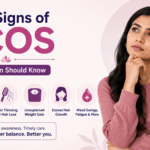
Common signs that your rainy-season breakouts might be linked to PCOS rather than weather alone include:
- Jawline or chin acne that flares before periods and worsens further in humid weather
- Irregular or missed periods, not just a one-off delay
- Excess facial or body hair growth (hirsutism)
- Sudden weight gain, especially around the abdomen
- Thinning hair on the scalp along with oily skin
- Dark, velvety patches of skin around the neck or underarms
If two or more of these apply to you, it’s worth getting evaluated rather than only treating the acne topically. A PCOD treatment in Hinjewadi approach that addresses the hormonal root cause tends to give far more lasting results than skincare products alone.
Seasonal Acne vs. Hormonal Acne: How to Tell the Difference?
If your symptoms match the second column, it’s a sign to look beyond the mirror and consult a specialist for menstrual problems treatment in Hinjewadi.
Why Irregular Periods During Monsoon Shouldn't Be Ignored?
Many women assume a delayed period during the rainy season is simply due to weather or lifestyle changes. Occasionally, that’s true. But recurring irregular cycles — especially alongside acne, weight fluctuation, or fatigue — often point to an underlying condition. Left unmanaged, PCOS and related hormonal issues can affect fertility over time, which is why early evaluation matters. Women actively searching for irregular periods treatment in Hinjewadi are frequently found, on investigation, to have some degree of PCOS or thyroid imbalance contributing to the pattern.
Beyond PCOS: Other Conditions That Can Mimic These Symptoms
While PCOS is a common cause of hormonal skin and cycle issues, it isn’t the only one. During a consultation, Dr. Gargi Tripathi also screens for and manages related gynaecological conditions, including:
- Endometriosis, which can cause painful, heavy, or irregular periods — for those seeking endometriosis treatment in Hinjewadi
- Uterine fibroids, which may contribute to heavy bleeding and cycle irregularity — explore uterine fibroids treatment in Hinjewadi
- Perimenopause or menopause-related hormonal shifts, which can also affect skin and mood — learn about menopause management in Hinjewadi
- Hormonal imbalances affecting conception, addressed through infertility treatment in Hinjewadi
- Pregnancies complicated by PCOS or other conditions, supported by a dedicated high-risk pregnancy specialist in Hinjewadi
A proper diagnosis — through a physical exam, ultrasound, and blood tests for hormone levels — is the only reliable way to know exactly what’s causing your symptoms.
When Should You See a Gynecologist?
You don’t need to wait for symptoms to become severe. Consider booking a consultation if you notice:
- Persistent acne that hasn’t improved in 2–3 months
- Periods that are consistently irregular, not just delayed once
- Unexplained weight gain or excessive hair growth
- Fatigue, mood swings, or sugar cravings that feel out of proportion
Early diagnosis makes management significantly easier and helps prevent long-term complications like infertility, diabetes, and cardiovascular risk associated with untreated PCOS.
Why Women in Hinjewadi Choose Dr. Gargi Tripathi?
If you’ve been searching for the best gynecologist in Hinjewadi or a female gynecologist in Hinjewadi you can speak to comfortably about sensitive symptoms, Dr. Gargi Tripathi offers personalized, evidence-based care for PCOS, irregular periods, infertility, high-risk pregnancy, endometriosis, fibroids, and menopause-related concerns. Instead of generic advice, every treatment plan is built around your specific hormone profile, lifestyle, and health goals.
Searching for a gynecologist near me in Hinjewadi? The clinic is easily accessible for working professionals and residents across Hinjewadi and the wider Pune IT corridor, making it convenient to get expert care without long travel.
FAQs:
Humidity and heat can trigger oiliness and mild breakouts, but they don’t cause PCOS. However, weather-related stress and poor hydration can worsen acne in women who already have an underlying hormonal imbalance, making seasonal flare-ups a useful signal to get checked.
Diagnosis typically involves reviewing your symptoms and cycle history, a pelvic ultrasound to check ovarian appearance, and blood tests to assess hormone levels such as androgens, insulin, and thyroid function. A gynecologist uses these together, since no single test confirms PCOS on its own.
PCOS is a manageable condition, not necessarily a lifelong sentence of symptoms. With the right combination of lifestyle changes, medication, and regular monitoring, most women see significant improvement in acne, cycle regularity, and long-term fertility outcomes.
PCOS can make ovulation irregular, which may delay conception, but it doesn’t mean pregnancy isn’t possible. Many women with PCOS conceive successfully with timely treatment, which is why early consultation for menstrual irregularities is so important if you’re planning a family.
Conclusion:
Monsoon breakouts and irregular periods aren’t always “just the weather.” If your skin and cycle patterns feel off year after year, especially during humid months, it’s worth investigating the hormonal picture rather than masking symptoms with skincare alone. A timely consultation with a qualified gynecologist can help you get a clear diagnosis and a treatment plan that actually works. If you’re in Hinjewadi and these symptoms sound familiar, reach out to Dr. Gargi Tripathi to get evaluated and take the first step toward clearer skin and a healthier cycle.